The automotive industry is currently undergoing its most significant transformation in a century, driven by the urgent shift from internal combustion engines to electric vehicles (EVs).
Die-cast medical device accessories, thanks to their precise manufacturing process, are becoming core components in high-end applications such as surgical instruments, diagnostic equipment, implantable devices, and medical robots.
To ensure security accessories do not fail under extreme conditions, modern die-casting technology systematically eliminates internal defects through four dimensions: material control, process optimization, mold design, and process monitoring, significant
By adjusting the alloy composition, the solid-liquid coexistence range can be narrowed, reducing the obstruction of dendrites to feeding.
The structural design needs to take into account the demolding direction of the die-casting parts to avoid increasing the complexity of the mold due to undercut or deep cavity structures, which would affect the consistency of mechanical properties.
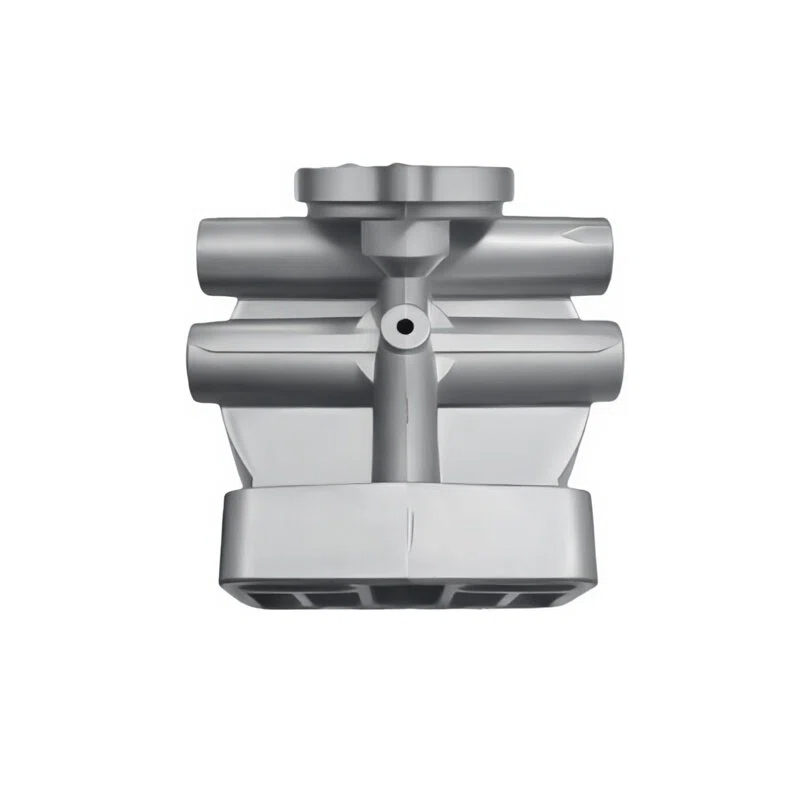
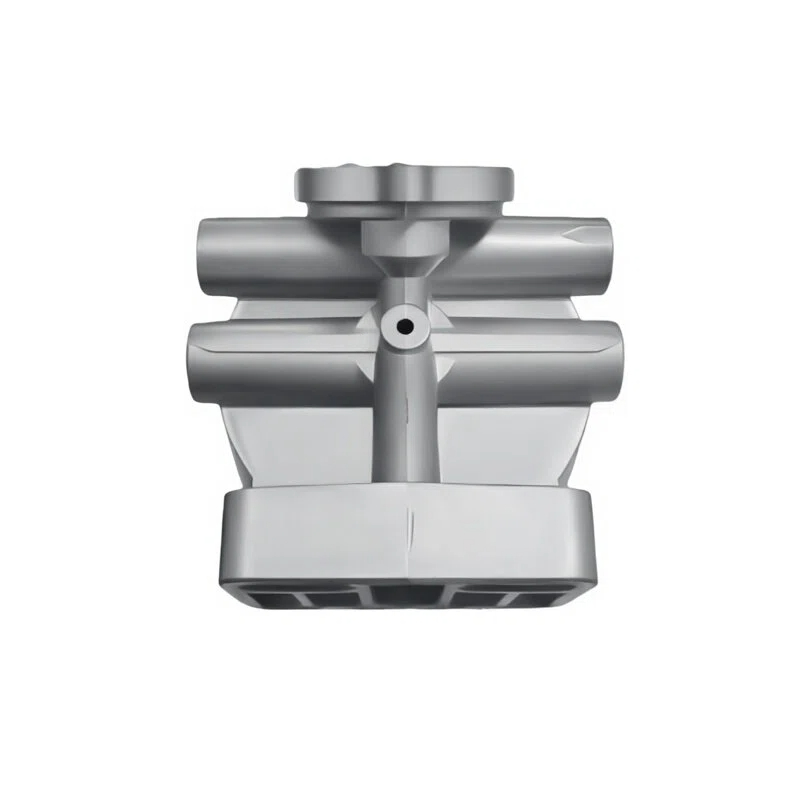
In modern automotive manufacturing, from engine blocks and transmission housings to electric power steering brackets and battery tray structures, a large number of critical automotive parts rely on die casting processes for efficient mass production.